A short report for the Claremont, N.H. Historical Society
Compiled by Rebecca Menard
To commemorate the 250th anniversary of the Declaration of Independence, here is a biography of Colonel Samuel Ashley (1720–1792), highlighting his life and the legacy he and his family left in Claremont and New England.
The Life and Legacy of Colonel Samuel Ashley
Samuel Ashley was born on March 20th, 1720 in Westfield, Massachusetts. The son of Joseph Ashley and Thankful Hawkes, Samuel direct descended from Robert Ashley, an early Puritan settler of Springfield, Massachusetts. In 1742, he married Eunice Doolittle, the daughter of Northfield’s first minister; the couple eventually raised ten children.
Early Military and Civil Leadership
Ashley acted as a seasoned leaders before the Revolution ever began. He took part in early defense of the American frontier, serving several stints at Fort Dummer between 1740 and 1749. Fort Dummer was the first permanent European settlement in what is now the state of Vermont. Additionally, Colonel Ashley was a prolific founder of New England communities. He had original land grants and acted as first selectman of Winchester, New Hampshire in 1753. He was also a grantee of Windsor and Shrewsbury, Vermont, and later Claremont, New Hampshire. By the age of 40, he stood as a wealthy landowner, militia officer, and justice of the peace.
Revolutionary War Heroism
Ashley’s most significant contributions began at age 53 when he joined the patriot cause of American Independence. Ashley served New Hampshire as both a civil servant and a military leader.
He served as a delegate to a 1771 convention in Exeter which appointed representatives to the First Continental Congress in Philadelphia. He also served as a delegate from Winchester to the Provincial Government in Portsmouth in 1774, helping to create a committee of correspondence to organize with patriots from other colonies. In 1775, he was appointed to the Committee of Safety, which was a group of influential citizens who enacted laws and ruled with the consent of the colonists, undermining the authority of the British crown.
As a military leader, Ashley was commissioned as a Colonel in 1775 and led his regiment to reinforce Ticonderoga in 1776 and 1777. In July 1777, he volunteered for General Stark’s staff as a Brigade Major and fought at the Battle of Bennington. He continued his service under General Horatio Gates until the surrender of Burgoyne. For his “spirit and expedition,” he and his troops received a formal letter of thanks from General Gates. Following the war, Ashley retired his colonelcy in 1779. In the same year, he was appointed to the Continental Congress but did not accept the appointment.


Legacy in Claremont and Beyond
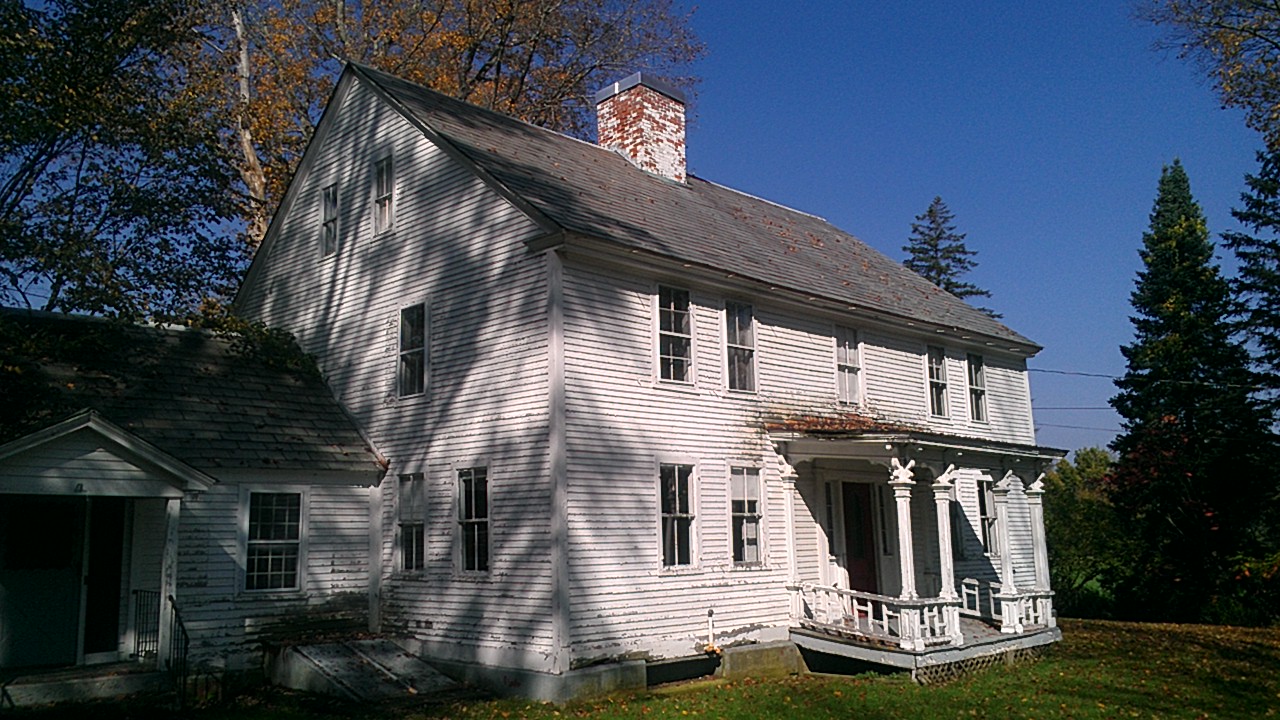
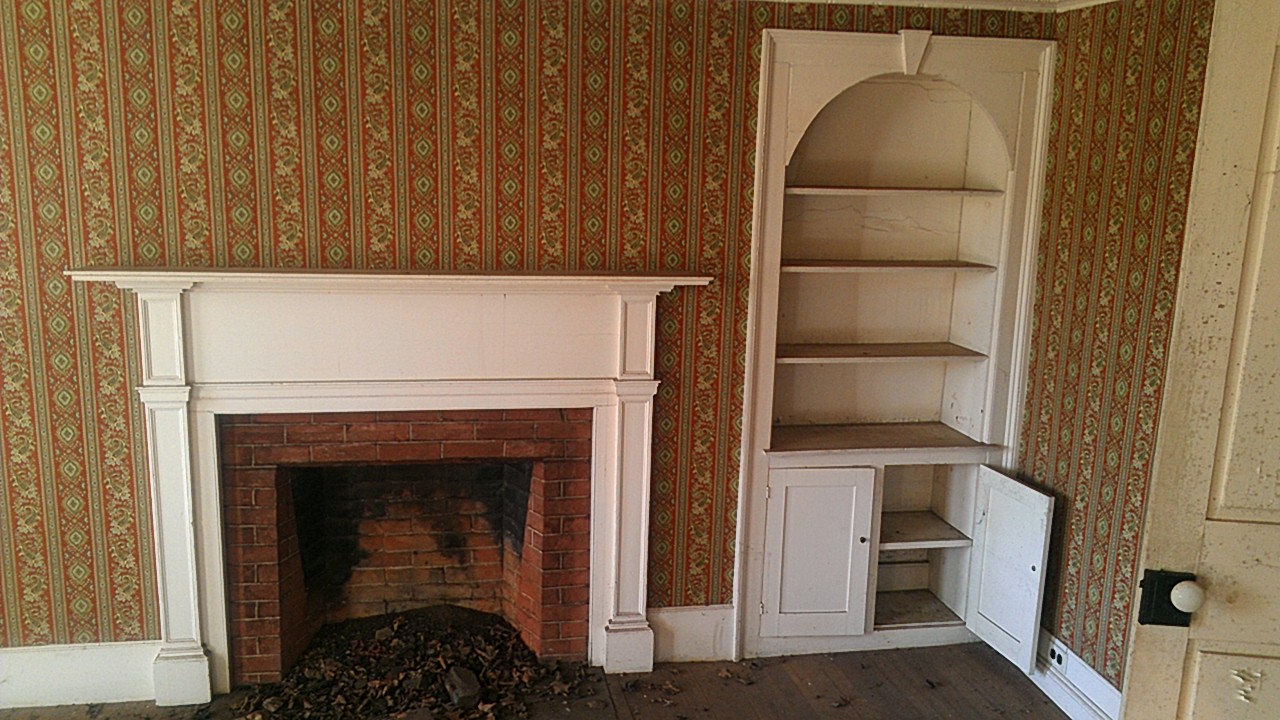
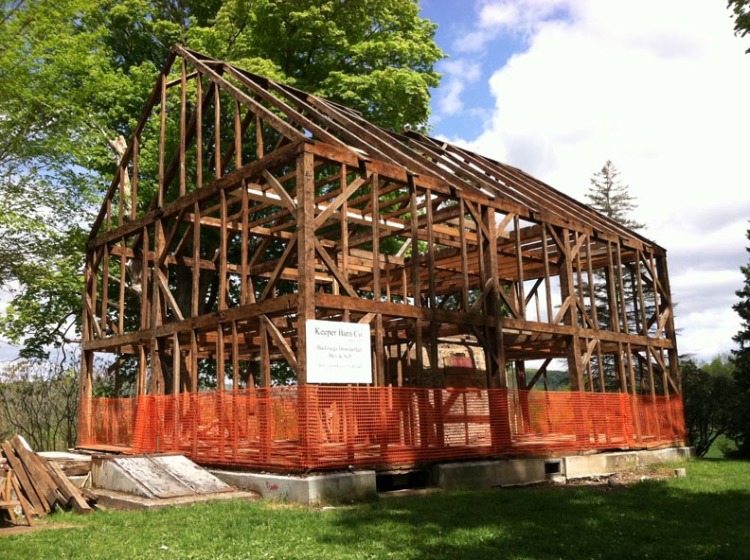
After the war, Ashley’s influence shaped the early development of Claremont as we know it today. Following the Revolution, Ashley and his family possessed 22 of the town’s 75 land shares. This tract was laid out in 1784, with its boundary known as Ashley’s Line,” running from Ashley’s ferry landing along the Connecticut River to the Newport town line. An early map of the area now known as the Twin State Valley, Claremont is labelled as “Ashley”, a reference to the Colonel’s founding influence. Out of all 69 original grantees of Claremont, only 3 grantees came to live in the town and Samuel Ashley was one of them. The Colonel’s former home along the Connecticut River in Claremont was dismantled and the heritage building materials reclaimed by Keeper Barn, based out of Vershire, VT, in 2012.
At the time of its founding, Claremont was part of Cheshire county; Sullivan county did not exist until July 5, 1827. The colonel served as an associate and later chief justice of the Court of Common Pleas for Cheshire County until 1791. His sons also became prominent leaders. His son Oliver established a ferry across the Connecticut River and served as a Captain during the war. Another son, Samuel Jr., rose to the rank of Colonel in the New Hampshire Militia.
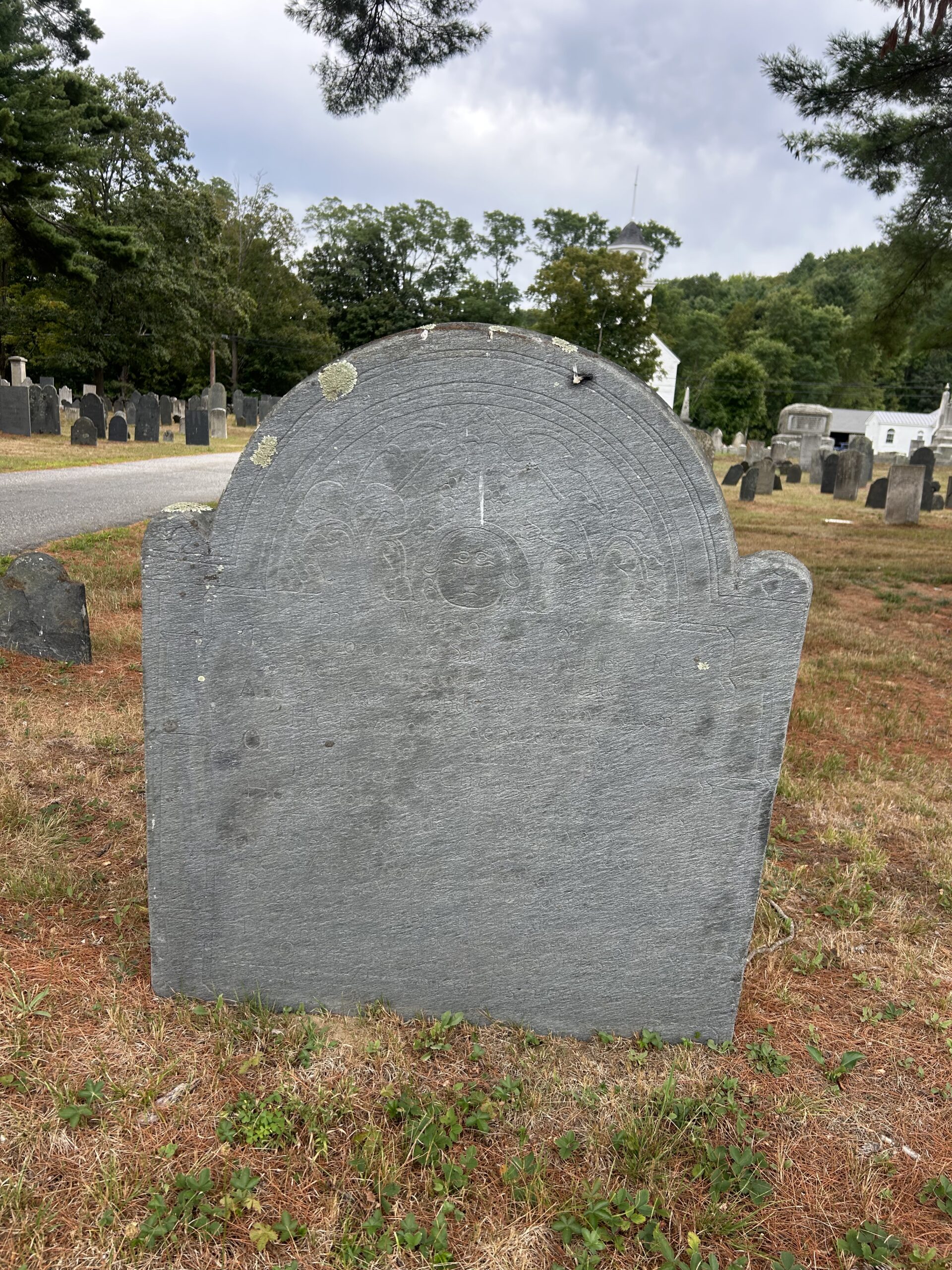
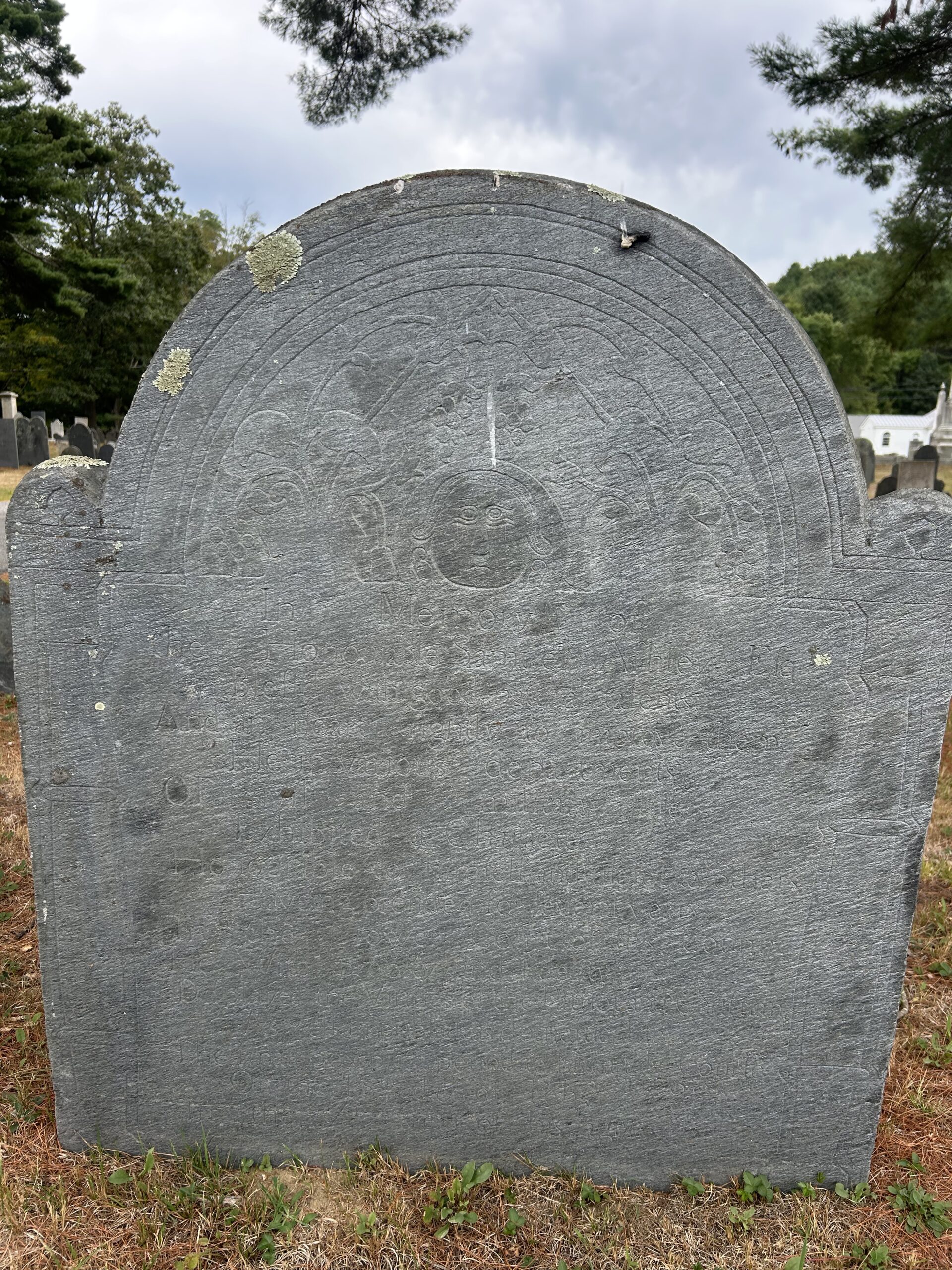
Colonel Samuel Ashley died of smallpox on February 18, 1792, and is buried in Union Cemetery in West Claremont. In his will, he left funds to support the Union Church (Episcopal) in West Claremont. His monument describes him as a man of “probity and fidelity” who displayed “the virtues of the patriot and Christian”.
The Claremont Chapter of the Daughters of the American Revolution was named for Samuel Ashley.
References
BASCOM, R. O., & Holden, J. A. (1910). THE TICONDEROGA EXPEDITION OF 1775. Proceedings of the New York State Historical Association, 9, 303–389. JSTOR. https://doi.org/10.2307/42889435
COL Samuel Ashley (1720-1792) – Find a Grave… (2020). Findagrave.com. https://www.findagrave.com/memorial/33084192/samuel-ashley
Keeper Barn (2019). https://www.keeperbarn.com/#/waite-house-claremont-nh/
Trowbridge, F. B. (1896) History Of The Descendants Of Robert Ashley Of Springfield, Massachusetts. Tuttle, Morehouse & Taylor.